Home> Practice Areas> Bankruptcy Law >Florida

Bankruptcy Lawyers in Florida

Lawyer Legion Bankruptcy Law Information Center of Florida

Search Directory for Bankruptcy Lawyers in Florida

Change your query below to search for lawyers in other areas. *results are limited to 250 per query


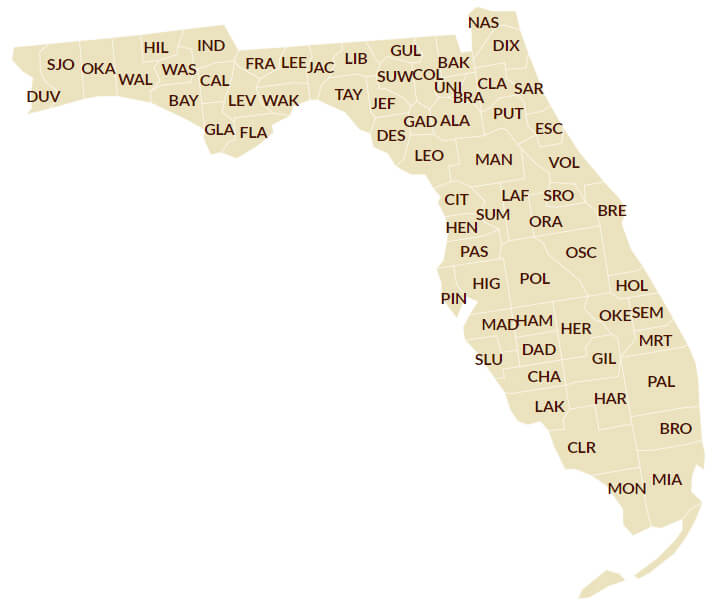
Bankruptcy Lawyers by County

{FullName}

Bankruptcy Lawyers by Specialty

Florida Bankruptcy Legal Resources

Bankruptcy Bar Associations and Legal Organizations

National Association of Consumer Bankruptcy Attorneys (NACBA) - The NACBA is a national professional organization comprised of attorneys who practice bankruptcy law representing consumer debtors. The organization provides resources and education to lawyers while also advocating for legislative changes to the Bankruptcy Code. The National Association for Consumer Bankruptcy Attorneys offers many benefits to its members seeking to improve their practice by filing amicus briefs to assist them.

Specialty Certifications in Bankruptcy

Consumer Bankruptcy Board Certification by the ABC - The American Board of Certification (ABC) offers board certification in Consumer Bankruptcy Law, focusing on legal representation in consumer bankruptcy cases under Chapters 7, 11, and 13 of the Bankruptcy Code. To qualify, an attorney must demonstrate significant involvement in bankruptcy matters, including substantial experience as lead counsel in numerous consumer bankruptcy cases and participation in a variety of contested proceedings, such as hearings and creditor disputes. The certification emphasizes practical experience in handling bankruptcy cases, pre-filing counseling, and post-filing proceedings before courts, ensuring that certified attorneys possess advanced expertise in consumer bankruptcy law.
Business Bankruptcy Board Certification by the ABC - The American Board of Certification (ABC) offers board certification in Business Bankruptcy Law, focusing on legal representation in business bankruptcy cases under Chapters 7 and 11 of the Bankruptcy Code. To qualify, an attorney must demonstrate substantial experience in business bankruptcy matters, including serving as lead counsel in numerous business bankruptcy cases and participating in a range of contested proceedings, such as plan confirmations, creditor disputes, and adversary actions. This certification emphasizes practical expertise in handling complex business bankruptcy cases, including pre-filing counseling, restructuring strategies, and post-filing proceedings before courts. Attorneys who earn this certification possess advanced knowledge and skills in business bankruptcy law, ensuring high-quality legal representation for businesses going through financial distress.

Florida Government and Court Resources

Florida Attorney General

Florida Attorney General - The Florida Attorney General serves as Florida's chief legal officer and advisor, responsible for representing Florida in legal matters, providing counsel to state agencies, and ensuring the protection of consumers and citizens' rights. This elected official plays a vital role in upholding the law, prosecuting criminal cases, defending the state's interests, and advocating for justice on behalf of Florida's diverse population.

Florida Courts

Florida Courts - The Florida Courts are responsible for upholding the rule of law and ensuring the fair and impartial administration of justice within the state. Their duties encompass interpreting and applying the law, adjudicating civil and criminal cases, safeguarding individual rights, ensuring due process, and overseeing Juvenile law. The Florida judicial system also plays a crucial role in addressing legal issues unique to the state, such as those related to its diverse population and coastal geography.

Florida Legislature

Florida Legislature - The Florida Legislature operates as a bicameral body, consisting of the Florida Senate and the Florida House of Representatives. The Senate has 40 members serving four-year terms, while the House comprises 120 members with two-year terms. The Legislature is responsible for proposing, debating, and passing laws that govern the state. Its duties include crafting the state budget, levying taxes, and addressing various policy matters such as education, healthcare, and environmental regulations.

Supreme Court of Florida

Supreme Court of Florida - The Florida Supreme Court, established in 1845, serves as the pinnacle of Florida's judicial structure. With a mandate to ensure consistency and fairness in the application of the law, the court reviews appeals from lower courts, offers advisory opinions, and sets legal precedents. Its influential decisions impact a wide array of legal issues, from constitutional matters to civil disputes and criminal cases, shaping the interpretation and implementation of laws throughout Florida.

Suggest an Edit

Thanks, your suggestion has been sent to our support team
loading...
Saving...